
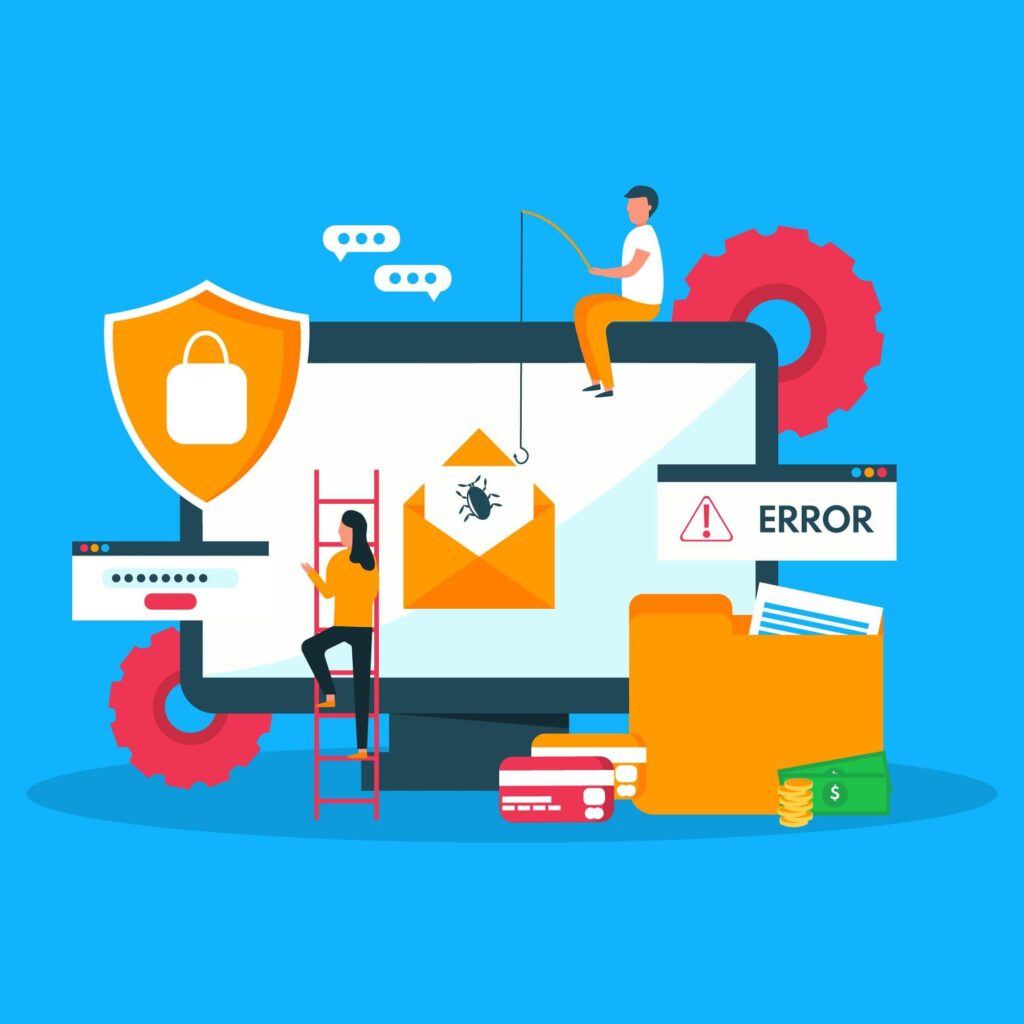
outdated software image

The Risks of Outdated Software and How to Prevent Them

In the fast-evolving digital landscape, outdated software presents one of the most significant vulnerabilities to business operations. Neglecting software updates exposes organizations to a host of risks, ranging from data breaches to operational inefficiencies. Understanding these risks and implementing strategies to mitigate them is crucial for protecting your business assets and maintaining competitive advantage.

The Risks of Outdated Software

  1. Increased Vulnerability to Cyber Threats
    Outdated software is a favorite target for cybercriminals. Once vulnerabilities are discovered in older versions, attackers exploit these weaknesses to deploy malware, ransomware, or other malicious attacks. Businesses running unpatched systems are at a higher risk of data breaches and financial losses.
  2. Compliance Issues
    Many industries are governed by strict regulatory standards that mandate up-to-date software and security measures. Failure to comply with these standards due to outdated software can result in hefty fines, legal penalties, and damage to your organization’s reputation.
  3. Operational Inefficiencies
    Outdated software often struggles to keep up with modern requirements, leading to slow performance, frequent crashes, and incompatibility with other systems. These inefficiencies can hinder productivity, frustrate employees, and negatively impact the customer experience.
  4. Loss of Data Integrity
    Outdated systems are more prone to bugs and glitches that can corrupt or compromise data integrity. Without regular updates, businesses risk losing critical information, which can be costly and challenging to recover.
  5. Reputational Damage
    A security breach or operational failure caused by outdated software can erode customer trust and harm your brand’s reputation. In today’s competitive market, maintaining consumer confidence is essential for long-term success.

How to Prevent These Risks

  1. Implement a Patch Management Solution
    Automated patch management tools, like Avast Business Patch Management, ensure that your software is always up to date. These solutions scan for vulnerabilities, identify missing patches, and deploy updates seamlessly, minimizing the risk of cyber threats and system failures.
  2. Schedule Regular Updates
    Plan and schedule software updates during non-disruptive hours to maintain productivity while ensuring security. A structured update routine keeps your systems optimized without interrupting business operations.
  3. Monitor and Report
    Use centralized monitoring tools to gain visibility into the status of your software updates. Real-time reports can help identify and address potential issues before they become critical.
  4. Educate Employees
    Train staff on the importance of software updates and cybersecurity best practices. Empowering employees with knowledge can help prevent human errors that often lead to vulnerabilities.
  5. Evaluate Software Compatibility
    Ensure that all updates and patches are compatible with your existing systems. Conducting tests on updates within a controlled environment prior to deployment helps identify and resolve issues, minimizing the risk of disruptions.

Stay Ahead with Avast Business Patch Management

Protect your business from the risks of outdated software with Avast Business Patch Management. This robust solution automates patch deployment, supports a wide range of applications, and ensures compliance with industry standards. Stay secure, efficient, and scalable with a patch management solution tailored to your needs.

Don’t let outdated software compromise your business. Visit our store today to learn more and get started!

post image

Why Regular Software Updates Are Crucial for Your Business

In today’s fast-paced digital world, keeping your software up-to-date is more than just a routine task—it’s a critical component of your business’s security, performance, and overall efficiency. Regular software updates are essential for safeguarding your systems, enhancing functionality, and ensuring compatibility with emerging technologies. In this blog post, we’ll explore why regular software updates are crucial for your business and how they can impact your operations positively.

Understanding Software Updates

Software updates are enhancements or fixes provided by software developers to improve functionality, address bugs, and address security vulnerabilities. These updates can come in various forms, including patches, service packs, and major upgrades, each serving a unique purpose to enhance the software’s performance and security.

The Importance of Regular Software Updates

1. Enhanced Security

One of the most critical reasons for regular software updates is to protect your business from cyber threats. Developers frequently release updates to patch security vulnerabilities that could be exploited by hackers.. Without these updates, your systems remain vulnerable to attacks, which could lead to data breaches, financial losses, and damage to your company’s reputation. By staying current with software updates, you can safeguard your business against potential threats and ensure your data remains secure.

2. Improved Performance and Stability

Software updates often include performance enhancements and bug fixes that can improve the overall stability and efficiency of your systems. By installing updates, you ensure that your software operates smoothly, minimizing downtime and reducing the risk of crashes or malfunctions. Improved performance also translates to a better user experience, which can positively impact employee productivity and customer satisfaction.

3. New Features and Functionality

Updates often come with new features and functionalities that can enhance your software’s capabilities. These additions can help streamline your business processes, introduce innovative tools, and provide new opportunities for growth. By regularly updating your software, you can take advantage of the latest technological advancements and stay competitive in your industry.

4. Compatibility with Other Software

As new software and technologies emerge, compatibility issues can arise if your systems are outdated. Regular updates ensure that your software remains compatible with other applications and systems, reducing the risk of integration problems and ensuring seamless operation across your technology stack. This compatibility is crucial for maintaining an efficient workflow and avoiding disruptions in your business operations.

5. Compliance with Regulations

For many industries, compliance with regulations and standards is a critical aspect of operations. Software updates often include changes that ensure compliance with industry regulations and standards, helping you avoid legal issues and penalties. Staying up-to-date with software updates ensures that your business remains compliant with the latest requirements and best practices.

Best Practices for Managing Software Updates

1. Create a Update Schedule

Establish a regular schedule for checking and applying software updates. This can help you stay on top of updates and ensure that you don’t miss critical patches or enhancements. Depending on your business’s needs, you might choose to apply updates weekly, monthly, or quarterly.

2. Automate Updates When Possible

Many software programs provide the ability to automate updates. Enabling automatic updates can streamline the process and ensure that you always have the latest security patches and features without manual intervention. However, it’s essential to review the updates periodically to ensure they are applied correctly and do not interfere with your systems.

3. Test Updates Before Deployment

Before rolling out updates across your entire organization, test them in a controlled environment to ensure they don’t cause compatibility issues or disrupt your systems. This testing phase can help identify potential problems and allow you to address them before deploying updates to your entire infrastructure.

4. Backup Your Data

Before applying updates, make sure to back up your data to prevent any loss in case something goes wrong during the update process. Regular backups ensure that you have a recovery plan in place and can quickly restore your systems if needed.

How BuySoftwareHub.com Can Help

At BuySoftwareHub.com, we understand the importance of maintaining up-to-date software to ensure the security and efficiency of your business operations. While our focus is on providing top-quality operating systems, utilities, and antivirus software, we also emphasize the importance of regular updates as part of your software management strategy.

By choosing our products, you not only gain access to reliable and effective software solutions but also benefit from our commitment to helping you stay current with the latest updates and advancements. Our comprehensive range of software is designed to meet your diverse needs, ensuring that your business remains secure, efficient, and competitive in today’s digital landscape.

Explore our offerings today and discover how our software solutions can support your business’s growth and success. With BuySoftwareHub.com, you can trust that you’re investing in products that will keep your systems up-to-date and optimized for peak performance.