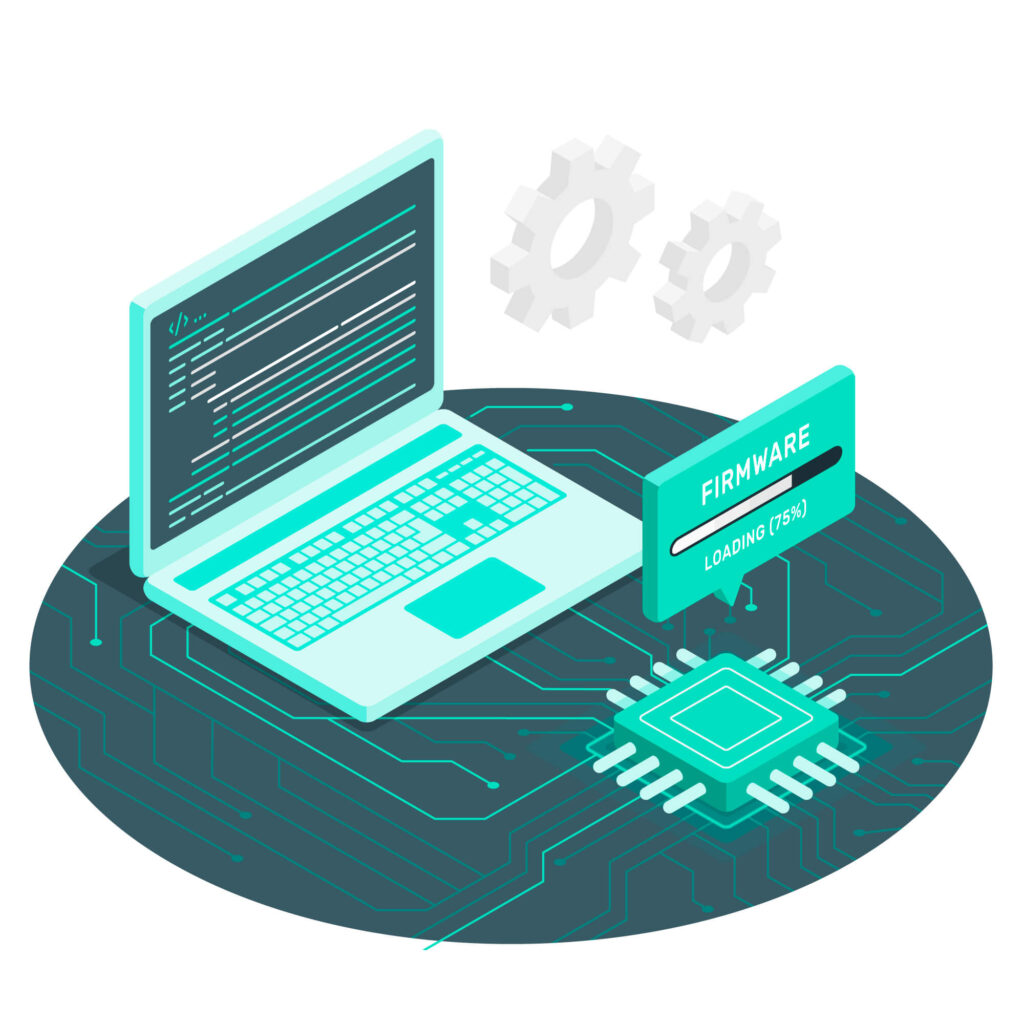
outdated software image

The Risks of Outdated Software and How to Prevent Them

In the fast-evolving digital landscape, outdated software presents one of the most significant vulnerabilities to business operations. Neglecting software updates exposes organizations to a host of risks, ranging from data breaches to operational inefficiencies. Understanding these risks and implementing strategies to mitigate them is crucial for protecting your business assets and maintaining competitive advantage.

The Risks of Outdated Software

  1. Increased Vulnerability to Cyber Threats
    Outdated software is a favorite target for cybercriminals. Once vulnerabilities are discovered in older versions, attackers exploit these weaknesses to deploy malware, ransomware, or other malicious attacks. Businesses running unpatched systems are at a higher risk of data breaches and financial losses.
  2. Compliance Issues
    Many industries are governed by strict regulatory standards that mandate up-to-date software and security measures. Failure to comply with these standards due to outdated software can result in hefty fines, legal penalties, and damage to your organization’s reputation.
  3. Operational Inefficiencies
    Outdated software often struggles to keep up with modern requirements, leading to slow performance, frequent crashes, and incompatibility with other systems. These inefficiencies can hinder productivity, frustrate employees, and negatively impact the customer experience.
  4. Loss of Data Integrity
    Outdated systems are more prone to bugs and glitches that can corrupt or compromise data integrity. Without regular updates, businesses risk losing critical information, which can be costly and challenging to recover.
  5. Reputational Damage
    A security breach or operational failure caused by outdated software can erode customer trust and harm your brand’s reputation. In today’s competitive market, maintaining consumer confidence is essential for long-term success.

How to Prevent These Risks

  1. Implement a Patch Management Solution
    Automated patch management tools, like Avast Business Patch Management, ensure that your software is always up to date. These solutions scan for vulnerabilities, identify missing patches, and deploy updates seamlessly, minimizing the risk of cyber threats and system failures.
  2. Schedule Regular Updates
    Plan and schedule software updates during non-disruptive hours to maintain productivity while ensuring security. A structured update routine keeps your systems optimized without interrupting business operations.
  3. Monitor and Report
    Use centralized monitoring tools to gain visibility into the status of your software updates. Real-time reports can help identify and address potential issues before they become critical.
  4. Educate Employees
    Train staff on the importance of software updates and cybersecurity best practices. Empowering employees with knowledge can help prevent human errors that often lead to vulnerabilities.
  5. Evaluate Software Compatibility
    Ensure that all updates and patches are compatible with your existing systems. Conducting tests on updates within a controlled environment prior to deployment helps identify and resolve issues, minimizing the risk of disruptions.

Stay Ahead with Avast Business Patch Management

Protect your business from the risks of outdated software with Avast Business Patch Management. This robust solution automates patch deployment, supports a wide range of applications, and ensures compliance with industry standards. Stay secure, efficient, and scalable with a patch management solution tailored to your needs.

Don’t let outdated software compromise your business. Visit our store today to learn more and get started!

patch-image

Why Regular Software Patching Is Essential for Your Business

In today’s fast-paced digital world, cyber threats are constantly evolving, and staying one step ahead is crucial for protecting your business. One of the most effective ways to safeguard your systems is by regularly applying software patches. Patching ensures your software is up-to-date, secure, and functioning optimally. But with so many updates and patches released by software vendors, managing them can become a time-consuming challenge.

The Importance of Software Patches

Patches are updates that address security vulnerabilities, improve functionality, and fix bugs in applications and operating systems. If not applied in a timely manner, unpatched systems can become a gateway for hackers to exploit, leading to potential data breaches, system failures, and significant downtime.

Yet, despite the risks, patching is often overlooked or delayed due to the complexity and manual effort involved in managing updates across all devices.

The Consequences of Skipping Patches

Neglecting software patches can have severe consequences, such as:

  • Increased security risks: Unpatched software can leave your network exposed to malware, ransomware, and other cyberattacks.
  • Reduced productivity: Systems running on outdated software are more prone to crashes, bugs, and performance issues.
  • Non-compliance with regulations: Failing to patch your systems could result in non-compliance with industry regulations, leading to potential fines or legal issues.

To avoid these pitfalls, businesses need a streamlined solution for managing software patches across their network.

Streamline Your Patch Process with Automated Patch Management

Managing patches manually can be overwhelming, but there’s an efficient way to automate this critical task and ensure your systems are always up-to-date.

Introducing Avast Patch Management—a powerful tool that automates the identification, deployment, and monitoring of software patches across all devices on your network. With Avast Patch Management, you can:

  • Ensure security by regularly applying patches that protect your network from known vulnerabilities.
  • Improve efficiency by automating the patching process, reducing the need for manual updates and minimizing downtime.
  • Maintain compliance with industry regulations by ensuring all endpoints are patched and running on the latest software versions.
  • Optimize performance with patches that not only fix vulnerabilities but also improve software features and functionality.

By automating your patch management process, Avast makes it easy to keep your business secure, compliant, and running efficiently.

Click here to learn more about Avast Patch Management and protect your network from potential vulnerabilities!


Data Breach Image

How to Protect Your Personal Information from Data Leaks and Hackers

In today’s interconnected world, personal information is more vulnerable than ever. Whether it’s through online shopping, social media, or email, we share a lot of data on the internet—data that can fall into the wrong hands if we’re not careful. Hackers and cybercriminals are constantly on the lookout for ways to exploit this information, and data leaks have become increasingly common.

So how can you protect your personal information from being exposed? In this article, we’ll explore the key strategies to safeguard your data and what you can do if your privacy comes under attack.

Be Cautious with the Information You Share

The first step in protecting your personal information is to limit the data you share online. Avoid providing sensitive details, such as your full name, address, and financial information, unless it’s absolutely necessary. Even when creating online accounts, consider whether a site really needs your personal data before handing it over.

Use strong, unique passwords for each account, and enable two-factor authentication (2FA) wherever possible to add an extra layer of protection. This helps reduce the chances of unauthorized access if one of your passwords is compromised.

Monitor Your Data for Leaks

Data leaks occur when companies or organizations that store your personal information experience a breach. If hackers gain access to this data, it can end up for sale on the dark web, putting your personal details at risk.

Regularly monitoring your data to check if it has been exposed in a leak is a crucial defense step. By identifying leaks early, you can take immediate action to change your passwords and secure your accounts before hackers can use your data.

Adjust the Privacy Settings of Your Online Accounts

Many of the platforms we use daily—such as social media sites, search engines, and shopping websites—collect and store a significant amount of personal data. Often, these platforms track our online behavior to build a profile that can be used for targeted advertising or sold to third parties, such as data brokers.

Take control of your privacy by reviewing and adjusting the settings on your online accounts. Limit how much data these platforms can collect and who can see your activity. By restricting data collection, you reduce the chances of your personal information falling into the wrong hands.

Prevent Companies from Collecting and Selling Your Data

Data brokers are companies that buy, sell, or trade personal information, often without your explicit knowledge or consent. These businesses collect details such as your name, email address, browsing habits, and purchase history to sell to advertisers and other companies.

To protect yourself, look for solutions that help you opt out of data collection practices. Some services offer automated tools that prevent companies from gathering and selling your information, giving you more control over your privacy.

Seek Professional Help in Case of Identity Theft

If you find yourself the victim of identity theft—whether through a data leak or other forms of exposure—getting professional support can make all the difference. Trained experts can guide you through the process of securing your accounts, recovering your data, and resolving any issues related to stolen information.

Identity theft can have lasting consequences, from financial loss to damage to your reputation. Acting quickly and having access to professional assistance is essential for minimizing these risks.

While implementing these strategies can significantly reduce your chances of falling victim to data leaks and hackers, it’s always helpful to have a trusted solution in place for added protection.

Looking for a reliable way to safeguard your personal information? Click here to get a powerful privacy protection tool that monitors your data for leaks, helps secure your accounts, and prevents companies from collecting your information without your consent

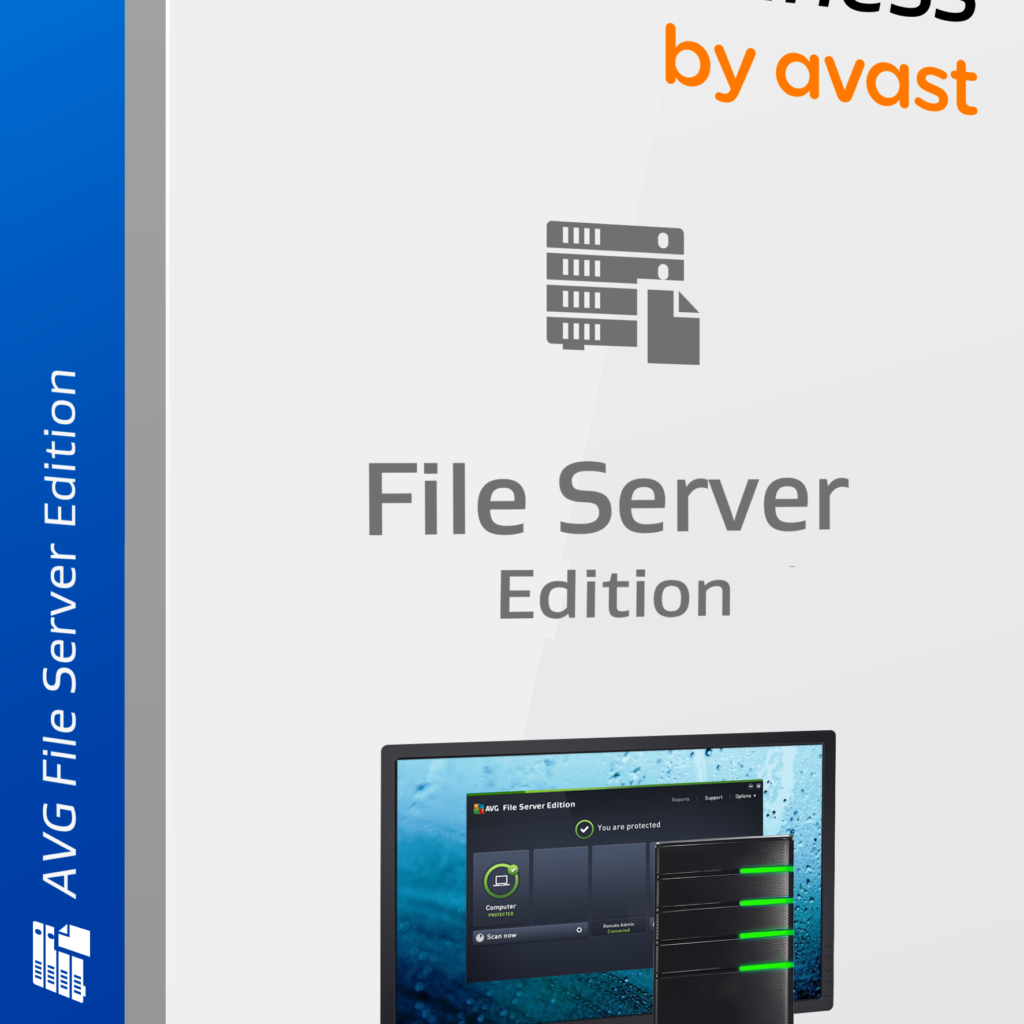
AVG File Server Business Edition(1-200CAL)

Why Every Business Needs AVG File Server Business Edition for Network Security

In today’s fast-paced digital landscape, businesses face constant threats from hackers and malware. Cybercriminals are always searching for vulnerabilities, particularly in business networks where sensitive data, such as customer information and internal documents, is stored. As cyber threats grow more sophisticated, ensuring your business’s network security is crucial. This is where AVG File Server Business Edition steps in.

AVG File Server Business Edition provides businesses with a powerful and comprehensive solution for protecting their files, data, and entire computer networks. With its advanced virus scanner, remote management capabilities, and automatic updates, this security solution is designed to give you peace of mind while keeping your operations running smoothly.

Protecting Files and Business Data

One of the greatest risks businesses face today is unauthorized access to sensitive data. Hackers can exploit weak points in your network to steal valuable information or hold your data for ransom. AVG File Server Business Edition ensures that your files and business data are shielded from these threats.

  • Network Antivirus Scanner: This feature scans your network and file servers, ensuring that any suspicious activity is identified and neutralized before it can cause damage. By continuously monitoring your network, it helps keep your data private and out of the hands of cybercriminals.
  • Real-Time Protection: AVG’s virus scanner works in real-time, meaning it constantly scans for threats and immediately acts to protect your business from malware, ransomware, and other cyberattacks.

Advanced Scanning Engine: Faster and Smarter

AVG File Server Business Edition is equipped with a new, more advanced scanning engine that allows for faster and more efficient scanning. One of the unique aspects of this engine is its ability to scan only when your system is idle, so it never interferes with your work.

  • Non-Disruptive Scanning: The scanning engine is designed to work in the background without slowing down your operations. It automatically scans when you’re not using the system, allowing your team to focus on their tasks without performance interruptions.
  • Proactive Threat Detection: With this advanced scanning engine, threats are detected and eliminated before they can spread, ensuring your business is always ahead of potential attacks.

Centralized Control with Remote Management

Managing security across multiple devices in a business environment can be time-consuming. With AVG File Server Business Edition, your IT administrator can manage security for your entire network from a single location, reducing complexity and ensuring uniform protection across all devices.

  • Remote Installation and Updates: AVG File Server Business Edition allows your administrator to remotely install, update, and configure the software across your network. This means you don’t need to manually manage security on each device—everything can be handled from one central location.
  • Automated Updates: The software automatically updates itself, ensuring your business is always protected against the latest threats without the need for manual intervention. This saves time and ensures that your system is consistently up to date.

Why Your Business Can’t Afford to Ignore Network Security

In a world where data breaches and cyberattacks are becoming more frequent, the cost of not securing your network can be devastating. From lost customer trust to potential legal and financial penalties, the risks are too high to ignore. With AVG File Server Business Edition, you get a robust solution that not only safeguards your network but also gives you the tools to manage and control your security infrastructure efficiently.

Final Thoughts

AVG File Server Business Edition offers the ultimate protection for your business’s network security needs. Its powerful virus scanner, advanced scanning engine, and remote management capabilities provide a comprehensive defense against hackers, malware, and other cyber threats. By investing in the right security solution, you can focus on growing your business, knowing your data and operations are fully protected.

Looking for a reliable solution to safeguard your business? Click here to get AVG File Server Business Edition and secure your network today!

officeimage

The Ultimate Guide to Office Productivity Tools: Work Smarter, Not Harder

Introduction

In today’s competitive business world, maximizing office productivity is crucial. The right tools not only streamline workflows but also foster better collaboration, helping businesses operate more efficiently. This guide will explore key office productivity tools and how to effectively integrate them into your workplace.


Types of Office Productivity Tools

To stay productive, businesses need an array of tools. Here’s a breakdown:

  1. Task Management Tools – Organize tasks and track progress with ease using apps that assign priorities and monitor completion.
  2. Project Management Software – Platforms like Asana, Monday.com, and Basecamp help teams track projects, ensuring deadlines are met.
  3. To-Do List Apps – Apps like Todo list help users manage daily tasks by setting deadlines and reminders, preventing things from slipping through the cracks.
  4. Communication Tools:
    • Email Clients (Outlook, Gmail) manage emails and schedules.
    • Instant Messaging (Slack, Microsoft Teams) enables quick chats, whether remote or in-office.
    • Video Conferencing (Zoom, Google Meet) offers essential features for seamless virtual meetings.
  5. Collaboration Tools:
    • Document Sharing (Google Drive, Dropbox) ensures team access to the latest versions of files.
    • Real-Time Collaboration (Microsoft OneDrive, Quip) allows multiple users to edit documents simultaneously, speeding up the workflow.
  6. Time Management Tools – Use time tracking software like Toggl to monitor how time is spent, while calendar apps like Google Calendar keep schedules organized.

Popular Office Productivity Tools

Here’s a quick look at some leading tools:

  1. Microsoft Office 365
    • Key Features: Includes tools like Word, Excel, and Teams. Cloud-based services allow for access from anywhere.
    • Benefits: Provides a comprehensive solution for document creation, collaboration, and security, making it ideal for businesses of all sizes.
  2. Google Workspace
    • Key Features: Integrates Gmail, Google Docs, Sheets, and Meet with real-time collaboration.
    • Benefits: Easy-to-use interface with powerful cloud capabilities, perfect for teams working remotely.
  3. Trello
    • Key Features: Visual task organization using boards and cards.
    • Benefits: Simple and flexible, making it a favorite for small teams managing workflows.
  4. Slack
    • Key Features: Messaging with channels and direct messages, plus integrations with other tools.
    • Benefits: Great for communication and collaboration, reducing lengthy email threads and making team discussions easier to track.

Implementing Productivity Tools in the Workplace

Effective implementation is key. Here’s how:

  1. Assess Your Needs: Start by identifying pain points and workflow inefficiencies.
  2. Choose the Right Tools: Select tools that align with your goals, keeping user-friendliness and integration capabilities in mind.
  3. Training & Onboarding: Ensure your team knows how to use the tools effectively, offering ongoing support to drive adoption.

Maximizing the Use of Productivity Tools

To get the most out of your tools, follow these steps:

  1. Integrate with Existing Systems: Ensure new tools fit seamlessly into your current workflow.
  2. Encourage Adoption: Highlight the benefits, provide incentives, and create a collaborative culture around tool usage.
  3. Review Regularly: Keep an eye on new updates and features to ensure continued efficiency.

Challenges in Using Productivity Tools

Implementing productivity tools isn’t without its hurdles:

  1. Resistance to Change: Clear communication on the benefits is key.
  2. Tool Overload: Stick to the essentials to avoid overwhelming your team.
  3. Data Security: Choose tools with robust security features and ensure your team is trained on data protection.

Future Trends in Productivity Tools

Stay ahead by embracing the future of productivity:

  1. AI & Automation: Expect more tools with predictive insights and automated processes.
  2. Mobility: As remote work continues to grow, mobility will remain a focus, with tools supporting seamless, on-the-go collaboration.
  3. Enhanced Integration: The future will bring even better integration between platforms, creating smoother workflows.

Conclusion

Boosting office productivity starts with the right tools. By implementing and regularly updating your toolkit, you’ll foster a more efficient, collaborative, and productive work environment.


FAQs

  • What are the most essential productivity tools for small businesses?
    Small businesses should prioritize project management (e.g., Trello or Asana), communication (Slack), and document sharing (Google Drive).
  • How can I ensure my team adopts new tools?
    Training, highlighting tool benefits, and continuous support are critical to successful adoption.
  • What role does AI play in the future of productivity tools?
    AI will streamline tasks through automation and predictive insights, helping teams work faster and smarter.
  • Are free productivity tools effective?
    Yes, though free versions may have limited features, they are often sufficient for small teams.
  • How do I maintain data security with multiple tools?
    Choose tools with strong encryption and regularly update software to safeguard data.
post image

Why Regular Software Updates Are Crucial for Your Business

In today’s fast-paced digital world, keeping your software up-to-date is more than just a routine task—it’s a critical component of your business’s security, performance, and overall efficiency. Regular software updates are essential for safeguarding your systems, enhancing functionality, and ensuring compatibility with emerging technologies. In this blog post, we’ll explore why regular software updates are crucial for your business and how they can impact your operations positively.

Understanding Software Updates

Software updates are enhancements or fixes provided by software developers to improve functionality, address bugs, and address security vulnerabilities. These updates can come in various forms, including patches, service packs, and major upgrades, each serving a unique purpose to enhance the software’s performance and security.

The Importance of Regular Software Updates

1. Enhanced Security

One of the most critical reasons for regular software updates is to protect your business from cyber threats. Developers frequently release updates to patch security vulnerabilities that could be exploited by hackers.. Without these updates, your systems remain vulnerable to attacks, which could lead to data breaches, financial losses, and damage to your company’s reputation. By staying current with software updates, you can safeguard your business against potential threats and ensure your data remains secure.

2. Improved Performance and Stability

Software updates often include performance enhancements and bug fixes that can improve the overall stability and efficiency of your systems. By installing updates, you ensure that your software operates smoothly, minimizing downtime and reducing the risk of crashes or malfunctions. Improved performance also translates to a better user experience, which can positively impact employee productivity and customer satisfaction.

3. New Features and Functionality

Updates often come with new features and functionalities that can enhance your software’s capabilities. These additions can help streamline your business processes, introduce innovative tools, and provide new opportunities for growth. By regularly updating your software, you can take advantage of the latest technological advancements and stay competitive in your industry.

4. Compatibility with Other Software

As new software and technologies emerge, compatibility issues can arise if your systems are outdated. Regular updates ensure that your software remains compatible with other applications and systems, reducing the risk of integration problems and ensuring seamless operation across your technology stack. This compatibility is crucial for maintaining an efficient workflow and avoiding disruptions in your business operations.

5. Compliance with Regulations

For many industries, compliance with regulations and standards is a critical aspect of operations. Software updates often include changes that ensure compliance with industry regulations and standards, helping you avoid legal issues and penalties. Staying up-to-date with software updates ensures that your business remains compliant with the latest requirements and best practices.

Best Practices for Managing Software Updates

1. Create a Update Schedule

Establish a regular schedule for checking and applying software updates. This can help you stay on top of updates and ensure that you don’t miss critical patches or enhancements. Depending on your business’s needs, you might choose to apply updates weekly, monthly, or quarterly.

2. Automate Updates When Possible

Many software programs provide the ability to automate updates. Enabling automatic updates can streamline the process and ensure that you always have the latest security patches and features without manual intervention. However, it’s essential to review the updates periodically to ensure they are applied correctly and do not interfere with your systems.

3. Test Updates Before Deployment

Before rolling out updates across your entire organization, test them in a controlled environment to ensure they don’t cause compatibility issues or disrupt your systems. This testing phase can help identify potential problems and allow you to address them before deploying updates to your entire infrastructure.

4. Backup Your Data

Before applying updates, make sure to back up your data to prevent any loss in case something goes wrong during the update process. Regular backups ensure that you have a recovery plan in place and can quickly restore your systems if needed.

How BuySoftwareHub.com Can Help

At BuySoftwareHub.com, we understand the importance of maintaining up-to-date software to ensure the security and efficiency of your business operations. While our focus is on providing top-quality operating systems, utilities, and antivirus software, we also emphasize the importance of regular updates as part of your software management strategy.

By choosing our products, you not only gain access to reliable and effective software solutions but also benefit from our commitment to helping you stay current with the latest updates and advancements. Our comprehensive range of software is designed to meet your diverse needs, ensuring that your business remains secure, efficient, and competitive in today’s digital landscape.

Explore our offerings today and discover how our software solutions can support your business’s growth and success. With BuySoftwareHub.com, you can trust that you’re investing in products that will keep your systems up-to-date and optimized for peak performance.